Elders
Wisdom
Stories
Skills
Experience
Guidance
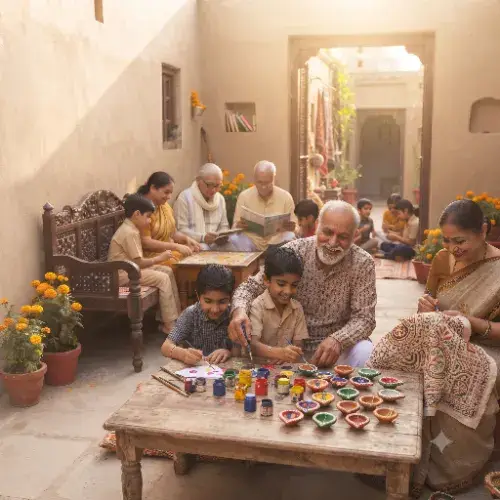
The Two-Generation Family Model
NEST is developing a structured intergenerational model designed to create safe opportunities for children and elders to connect, learn, share and contribute.
An important clarification
NEST does not seek to replace a child’s biological or legal family, nor an elder’s existing family relationships. The aim is to create safe conditions in which meaningful, respectful, family-like bonds and community belonging can grow.
The reciprocity loop
Wisdom
Stories
Skills
Experience
Guidance
Curiosity
Energy
Creativity
Affection
New perspectives
Four stages of the model
Safety and dignity come first. The model begins by understanding individual needs and creating appropriate care, supervision and safeguarding conditions. Children and elders must have privacy, respect and space for their own identities. Intergenerational activities are intended to complement suitable care arrangements. The goal is not to require relationships, but to make responsible, respectful opportunities possible.
Connection grows through opportunities to meet, share and listen. NEST’s developing model centres on everyday activities that can bring children and elders together without forcing closeness. Participants should have choice, support and appropriate boundaries. Small, repeated moments—reading a story, preparing food or spending time in a garden—can create the conditions in which trust and a sense of belonging may grow.
Relationships can become spaces for learning in both directions. Elders may share stories, practical knowledge, traditions and patient guidance. Children may bring questions, creativity and new perspectives. Learning is intended to be participatory and age-appropriate. Activities should respond to interests and capabilities, with support where needed. Everyone can have something to teach, and everyone can have something new to learn.
Participation gives people opportunities to contribute and be valued. A shared task, a preserved memory or a community celebration can make a person’s presence matter to others. NEST’s vision links wellbeing with purpose, dignity and contribution. As the First Nest develops, listening, observation and reflection will help improve the model. Flourishing is a direction to work towards, not a claim of results already achieved.
Shared life
Food preparation, recipes and shared meals.
Reading, practical skills and digital learning.
Gardening and shared responsibility.
Craft, art, music and imagination.
Memories, traditions and life experience.
Joy, culture and community life.
A model made human
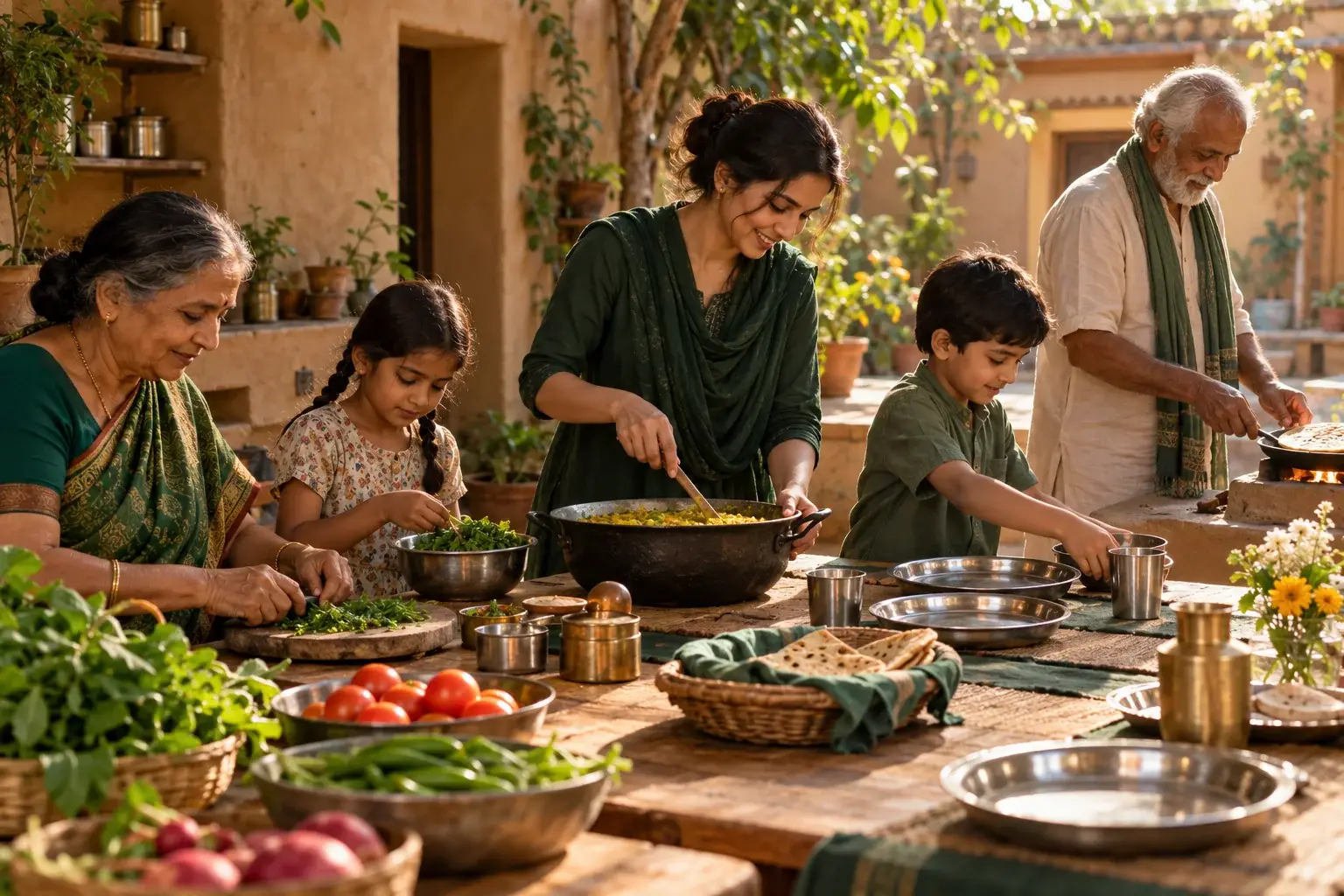
A kitchen can become a place for nourishment, conversation and the sharing of everyday skills.
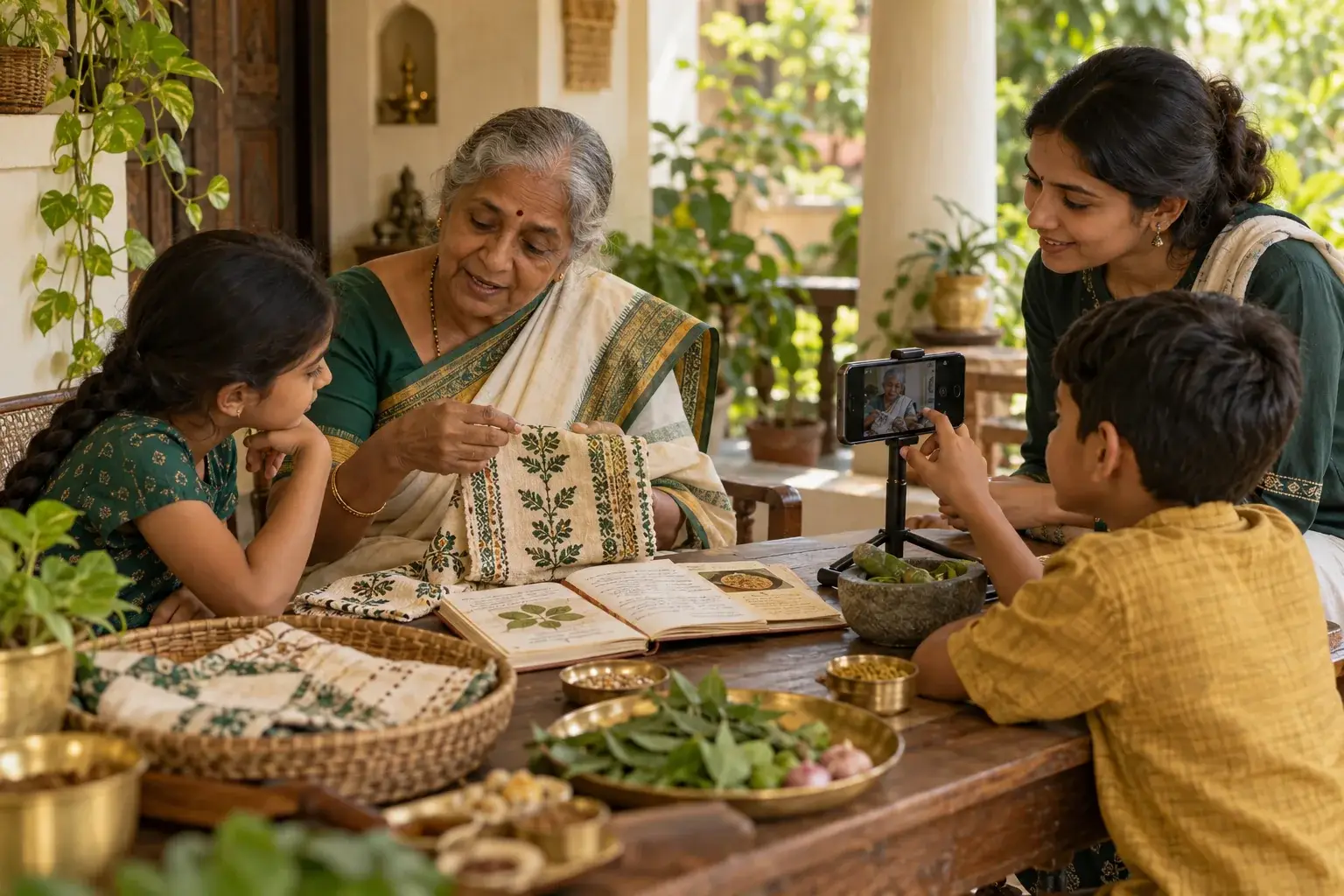
A story, recipe or practical skill can connect generations and give experience a new place to live.
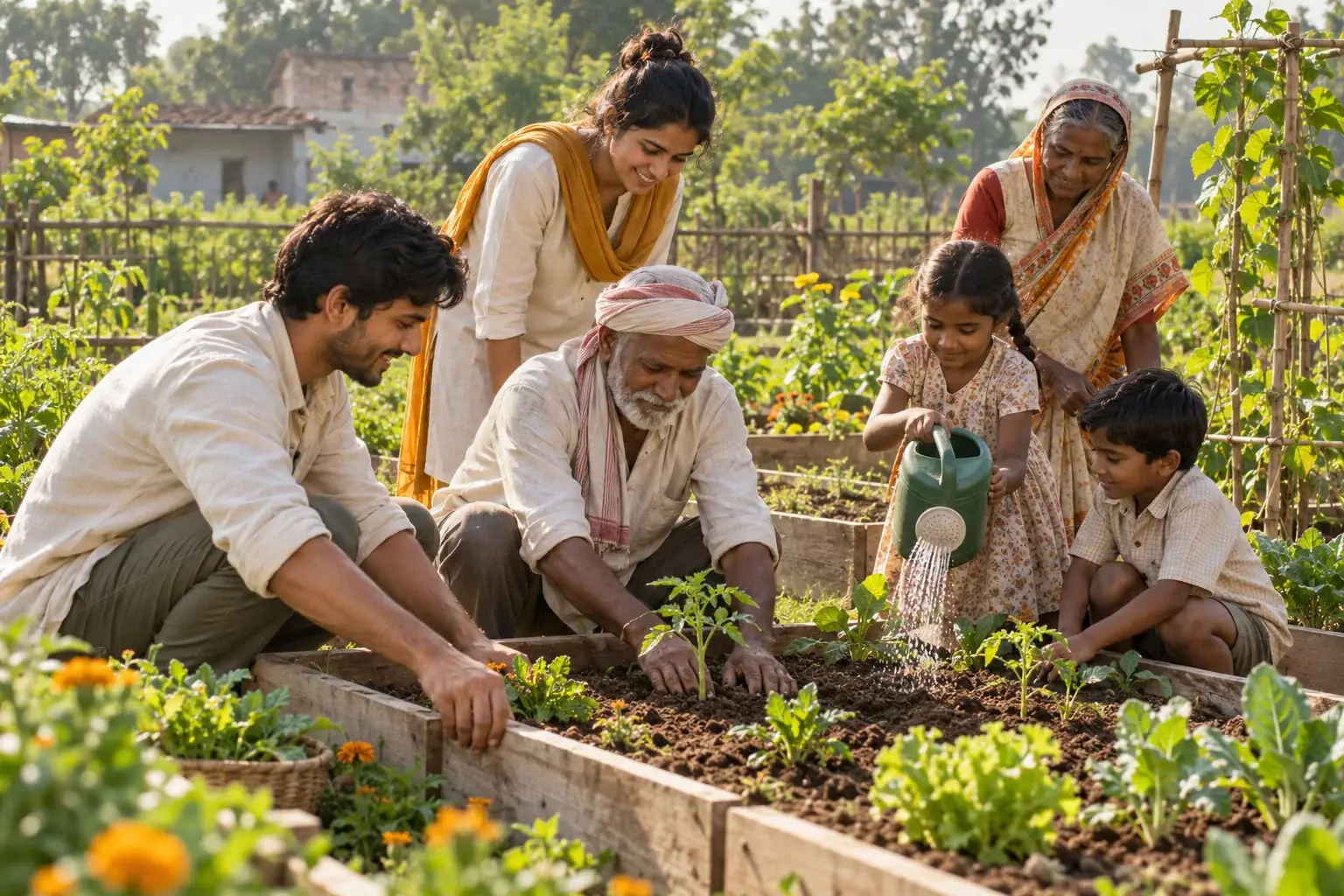
Growing something together can create opportunities for learning, responsibility and contribution.
Concept Visualization · Illustrative future activity; programmes are in development.
The Human Legacy Standard
NEST’s developing internal framework asks questions around dignity, safety, belonging, reciprocity, learning, purpose, contribution and legacy.
The Human Legacy Standard is a developing internal NEST framework—not an external certification.